USA
 Canada

When homeowners compare heating systems today, heat pumps appear everywhere. Heat pump technology has improved significantly in recent years and the efficiency numbers at moderate temperatures are genuinely impressive. But efficiency at the heat source is only part of the picture. How the heat is delivered to the living space matters as much as how it is generated, and on that dimension hydronic radiant heat has no equal.
This post compares hydronic radiant floor heating against air-source heat pump systems on the factors that matter most to homeowners: comfort, air quality, cold-weather performance, and long-term operating cost. The conclusion is not that one replaces the other. The best systems combine both.
Heat Delivery: Where Radiant Wins Decisively
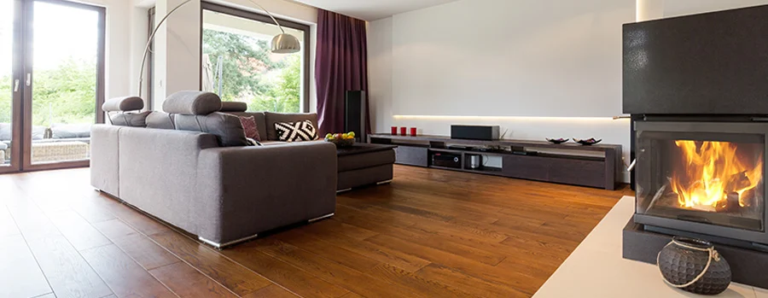
An air-source heat pump in a typical residential installation heats air and distributes it through ducts and registers. Warm air exits the registers, rises immediately because it is less dense than the room air, and collects near the ceiling. The floor and lower portions of the room, where people actually sit and walk, are the last areas to reach the thermostat setpoint. The blower that moves this air runs for extended periods and produces continuous background noise. The dry, moving air can irritate sinuses and circulate allergens throughout the home on every heating cycle.
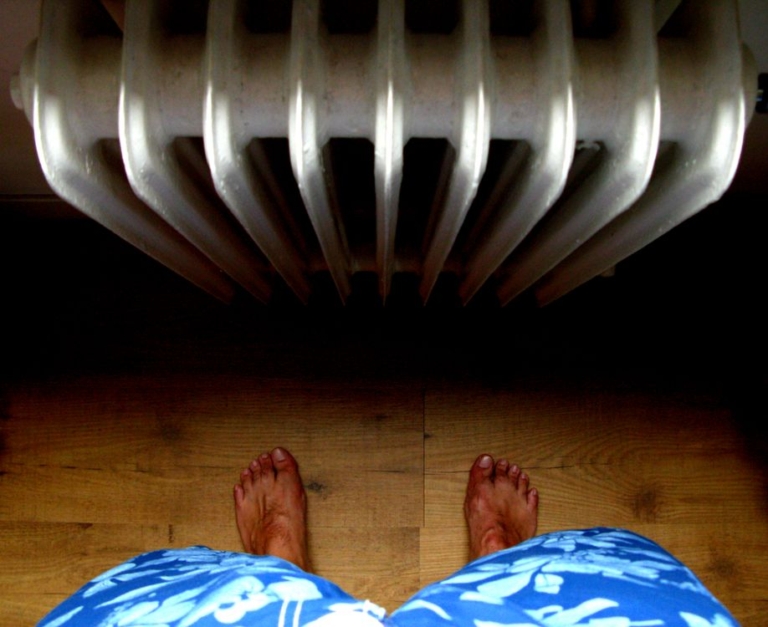
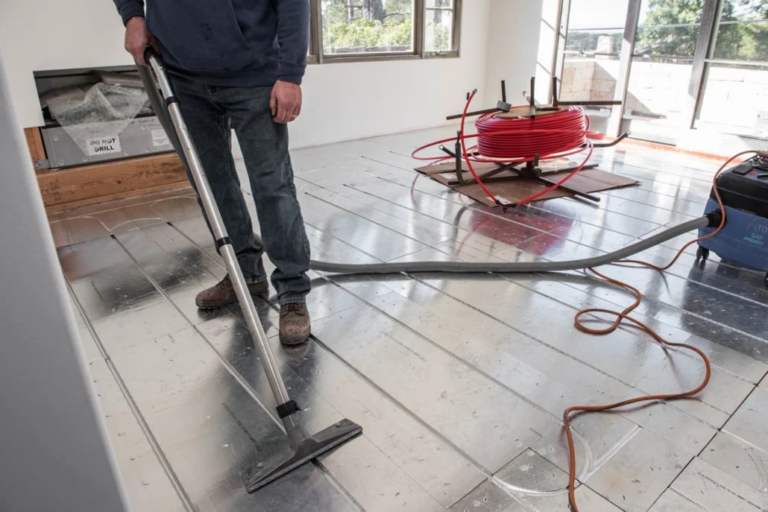
Hydronic radiant floor heating delivers heat from the floor surface upward, warming occupants by radiation and warming the room by gentle convection. There is no air movement at the floor level, no blower noise, and no allergen circulation. The floor itself is the radiator, and it is a radiator that covers the entire floor area of the room rather than a few concentrated register locations. The result is an even temperature from ankle height to ceiling that is physically impossible to achieve with forced air.
This comfort difference is not subtle. Homeowners who switch from forced air to radiant describe it as one of the most significant improvements to daily life they have made in a home. The floor feels warm instead of cold. The room feels warm at a lower thermostat setting. And the house is quiet.
Cold Weather Performance: Why Radiant Does Not Flinch
Heat pump efficiency is measured by its coefficient of performance, or COP. At 47 degrees Fahrenheit outdoor temperature, a modern cold-climate heat pump delivers a COP of 3.0 to 4.0, meaning it produces three to four times the heat energy per unit of electricity consumed. This is significantly better than any combustion system, which is why heat pump advocates cite these numbers prominently.
What those numbers do not show is what happens as the outdoor temperature drops. At 17 degrees Fahrenheit, the same heat pump may deliver a COP of 2.0. At 0 degrees Fahrenheit, a cold-climate rated unit may deliver a COP of 1.3 to 1.5. At -10 degrees Fahrenheit, some units reach their rated minimum operating temperature and reduce capacity or switch to electric resistance backup heat. The days when you need the most heat are the days when the heat pump is least efficient and least capable.
A condensing gas boiler serving a hydronic radiant system delivers 95 percent or higher efficiency regardless of outdoor temperature. When it is -15 degrees Fahrenheit outside, the boiler produces the same percentage of its rated capacity as it does on a 30-degree day. The radiant panels or slab maintain the same supply water temperature. The house stays equally warm. This consistency is not a minor advantage in climates with extended cold snaps.
The Case for Combining Both
The choice between radiant heat and a heat pump is a false dilemma because they are not competing alternatives. A heat pump is a heat source. Radiant floor heating is a heat distribution system. They can and increasingly do work together in the same installation.
A heat pump water heater produces domestic hot water and, in systems designed for it, can also serve as the heat source for a hydronic radiant floor system. Because hydronic radiant panels and slabs are designed to operate at supply water temperatures of 90 to 120 degrees Fahrenheit, well below the 140 to 180 degree temperatures required by baseboard radiators, they are particularly compatible with heat pumps. Heat pumps deliver their highest efficiency at lower output temperatures, so a heat pump water heater serving a radiant floor system operates near its peak efficiency during most of the heating season.
For homeowners in cold climates, WBI recommends a configuration that pairs a heat pump water heater as the primary heat source with a condensing gas boiler as a backup for the coldest days. The heat pump handles the majority of the seasonal heating load at high efficiency. The boiler handles the design days when outdoor temperatures fall below the heat pump’s efficient operating range. The distribution system is radiant in both cases, so the comfort standard never changes regardless of which heat source is running.
What This Means for Your Home
If you are evaluating a heat pump to replace your existing forced-air furnace, radiant floor heating offers a better distribution path for the heat the pump produces. Rather than delivering warm air that stratifies and dries the indoor air, a hydronic radiant system delivers the heat pump’s output through the floor in every room, with no noise and no air quality compromise.
If you already have hydronic radiant heat served by a boiler, adding a heat pump water heater as a primary or supplemental heat source reduces your operating costs during the moderate-temperature portion of the heating season without touching the radiant distribution system or compromising the comfort you already have. WBI designs both new systems and upgrades with heat pump integration in mind from the start.
Frequently Asked Questions: Radiant Heat vs Heat Pump
Get the Best of Both: Radiant Comfort with Heat Pump Efficiency
WBI designs hydronic radiant systems compatible with condensing boilers, heat pump water heaters, and dual-source configurations. Tell us about your home and heating goals.
About The Author