Should You Choose Electric Floor Heating or Something Better?
Electric floor heating is one of the most searched heating upgrades today, especially for bathrooms and small remodel projects. It promises comfort, simplicity, and relatively easy installation.
But here is the reality most blogs skip:
Electric radiant heat can be excellent in the right situation and a poor choice in the wrong one.
This guide will walk you through the best electric floor heating systems, where they make sense, and when a hydronic system, especially a modern panel system like WBI, is the smarter move.
What Are the Best Electric Floor Heating Systems?
There are two main types of electric radiant floor systems:
1. Electric Heating Mats
- Pre-spaced cables attached to mesh backing
- Fast installation
- Ideal for rectangular spaces
2. Loose Cable Systems
- Flexible layout for custom-shaped rooms
- More labor-intensive
- Better for irregular layouts
Leading manufacturers in this space include WarmlyYours, Schluter Systems, and SunTouch, all offering reliable systems with programmable thermostats and floor sensors.
According to the U.S. Department of Energy, electric radiant heating is commonly used for spot heating in small areas, where installation simplicity is a major advantage.
Electric Floor Heating: Mat vs Loose Cable
Heating Mats
- Pre-spaced cable on mesh
- Fastest installation
- Best for rectangular rooms
- Ideal for tile bathrooms and kitchens
- Less flexibility in layout
Loose Cable Systems
- Individual cable runs
- More layout flexibility
- Best for irregular room shapes
- More labor-intensive
- Custom spacing possible
Why Electric Floor Heating Is So Popular
Electric systems have a lot going for them. They offer lower upfront cost for small areas, require no boiler or mechanical room, feature a thin profile great for tile installs, deliver fast heat-up times, and come with simple programmable thermostat controls.
For a small bathroom remodel, electric radiant is often the most practical solution.
The Catch: Where Electric Starts to Break Down
Electric radiant heat has one major limitation: operating cost scales quickly. Electricity costs more per BTU than gas or propane, costs increase directly with square footage, and whole-home applications can become expensive to run.
So while electric systems are easy to install, they are not always economical long term.
When Electric Floor Heating Actually Makes Sense
Electric radiant is a strong choice when you are heating a small space (typically under about 100 sq ft), the home does not already have a hydronic system, you want a simple retrofit solution, or you need fast response for occasional use. This is why bathrooms are the most common application.
Is Electric Floor Heating Right for Your Project?
Check the conditions that apply to your situation:
YES Heating a bathroom or small room (under 100 sq ft)
YES No existing hydronic system in the home
YES Simple retrofit with minimal disruption
YES Supplemental or occasional-use heat only
NO Heating multiple rooms or whole home
NO Home already has a hydronic radiant system
If most of your checks land in the NO column, a hydronic panel system will likely serve you better long term.
The Key Question Most Homeowners Miss
“Do you already have a hydronic radiant system in your home?”
If the answer is yes, then electric is usually not the best choice.
Here is why: you already have the heat source (boiler or water heater), you already have distribution infrastructure, expanding hydronic is typically more efficient, and operating costs remain much lower. In most cases, adding to the existing hydronic system beats installing electric.
A Better Option for Larger Areas: Hydronic Radiant with Panels
If you are moving beyond a single room, hydronic radiant becomes the better solution, especially when using modern panel systems like WBI’s RadiantBoard, ThermalBoard, RadiantBoard EPS, and ThermalBoard EPS.
1. Easier Installation Than You Think
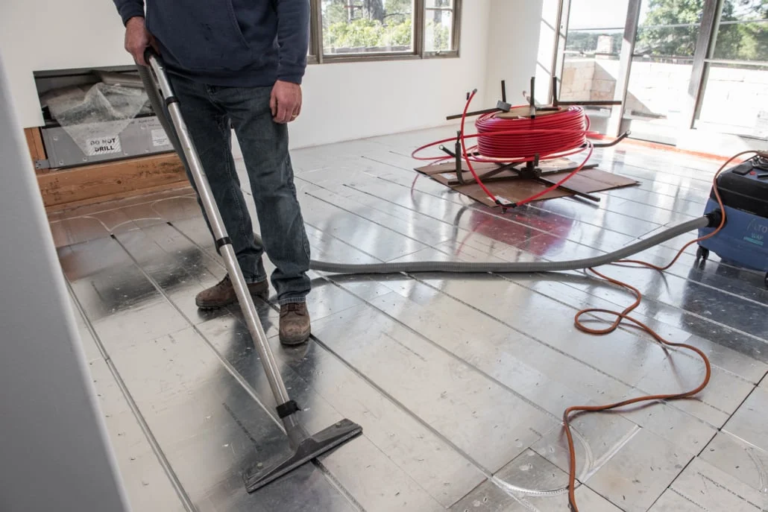
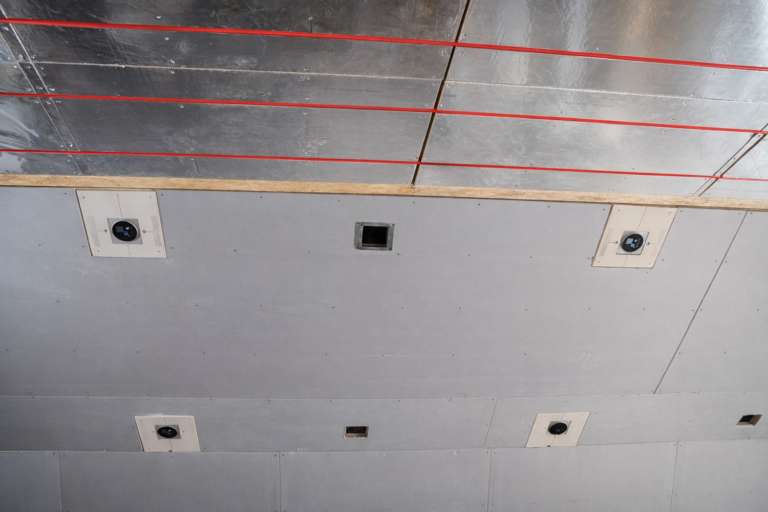
Pre-grooved panels guide tubing placement and reduce labor compared to traditional installs.
2. Strong Heat Output
Aluminum heat transfer layers distribute heat efficiently across the floor.
3. Fast Response Times
Unlike older slab systems, panel systems heat up quickly and respond well to thermostat changes.
4. Scales Efficiently
Perfect for whole-home heating or multi-room applications.
ELECTRIC VS. HYDRONIC RADIANT: MONTHLY OPERATING COST (200 SQ FT ROOM)
Electric Mat (120W/sq ft, 6 hrs/day)~$56/mo
Electric Cable (10W/sq ft, 6 hrs/day)~$47/mo
Hydronic Radiant Panel (gas boiler)~$12/mo
Source: Based on US avg electricity $0.13/kWh and gas $1.40/therm (EIA 2024). Hydronic cost assumes zone on existing boiler.
The Radiant Professionals Alliance supports hydronic radiant as the preferred approach for larger residential heating applications due to efficiency and long-term performance.
Electric vs Hydronic Panels: Side-by-Side
| Factor |
Electric Radiant |
Hydronic Radiant (WBI Panels) |
| Best Use Case |
Small rooms |
Whole homes, large areas |
| Install Complexity |
Low |
Moderate, simplified with panels |
| Upfront Cost |
Lower (small areas) |
Higher |
| Operating Cost |
High |
Low |
| Response Time |
Fast |
Fast (panel systems) |
| Long-Term Value |
Limited |
Strong |
Head-to-Head: True Cost of Ownership
Upfront Installation Cost
Electric (bathroom)
$500–$1,700
Hydronic panels (whole home)
$12,000–$43,000+
Monthly Operating Cost (1,500 sq ft)
Hydronic (gas boiler)
$40–$80/mo
Cost estimates based on 2025-2026 national averages. Actual costs vary by climate, insulation, and energy rates.
The Smart Strategy (What Actually Works)
Instead of choosing one system blindly, the best approach is to use electric radiant for small, isolated areas where simplicity matters, and use hydronic panel systems for larger spaces, whole-home heating, and long-term efficiency. If hydronic already exists, expand it instead of adding electric.
This hybrid approach gives you comfort where you want it without overpaying to heat your entire home.
Final Verdict
The best electric floor heating systems are reliable, easy to install, and perfect for small spaces. But they are not a one-size-fits-all solution.
Which System Should You Choose?
Choose Electric If…
- Heating a bathroom or single small room
- No hydronic system exists in the home
- You need a fast, simple retrofit
- Supplemental or occasional-use heat
- Tight upfront budget for a small space
Choose Hydronic If…
- Heating multiple rooms or the whole home
- A hydronic system already exists
- Long-term efficiency is the priority
- New construction or major remodel
- Lower monthly operating costs matter
WBI panel systems including RadiantBoard and ThermalBoard make hydronic radiant faster to install, more responsive, and more adaptable than ever. Contact WBI to find the right system for your project.
ELECTRIC VS. HYDRONIC RADIANT: SYSTEM LIFESPAN
10-15 yrs
Electric Mat / Cable
(Heating element lifespan)
30+ yrs
Hydronic Radiant Panel
(PEX tubing rated 50+ yrs)
Source: Manufacturer specs. WBI panel PEX tubing carries a 50-year warranty.
Frequently Asked Questions
Electric Floor Heating FAQs
What is the best electric floor heating system for a bathroom?
For most bathroom installs, electric heating mats are the best choice. They are pre-spaced, fast to install, and work perfectly under tile on rectangular floor areas. Systems from WarmlyYours, Schluter, and SunTouch are all reliable options with programmable thermostats and floor sensors. For bathrooms under 100 sq ft, the operating cost of electric is manageable and the installation is straightforward.
How much does electric floor heating cost to run per month?
For a small bathroom (50 sq ft), expect roughly $5–$15/month depending on usage and local electricity rates. For a larger space like an entire floor (1,500 sq ft), electric radiant can cost $120–$200/month or more. This is why electric is generally only recommended for small, isolated spaces and not as a whole-home heating solution.
Can electric floor heating heat a whole house?
Technically yes, but it is rarely the right choice. The operating costs for electric radiant across a whole home are significantly higher than hydronic alternatives. For whole-home heating, a properly designed hydronic radiant system with a gas boiler or heat pump is far more economical to run, even accounting for the higher installation cost.
What is the difference between electric heating mats and loose cable systems?
Heating mats have pre-spaced cables attached to mesh backing, making them faster to install and ideal for rectangular rooms. Loose cable systems give you more layout flexibility and are better for custom or irregularly shaped spaces, but require more labor to install. Both use electric resistance heating and have similar operating costs per square foot.
Is electric or hydronic radiant better for whole-home heating?
Hydronic radiant is significantly better for whole-home heating. While electric has a lower upfront cost, hydronic systems cost 50-75% less to operate monthly in larger applications. Modern panel systems like WBI’s RadiantBoard and ThermalBoard have also greatly reduced the installation complexity of hydronic radiant, making it competitive even for retrofit projects.
How long do electric floor heating systems last?
Quality electric floor heating cables and mats are rated to last 25–35 years when properly installed. The thermostat and controls typically last 10–15 years. Since the heating elements are embedded in the floor, they are protected from physical damage. Most failures, when they occur, happen at the point of installation due to improper handling of the cable during the tile-setting process.
Do I need a professional to install electric floor heating?
The mat or cable itself can be installed as a DIY project by experienced homeowners, but the electrical connection to the thermostat and circuit breaker should always be done by a licensed electrician. Most manufacturers require a professional electrical connection to maintain the product warranty. The flooring installation over the heating element (typically tile) is standard trade work and should be done carefully to avoid damaging the cable.
About The Author

Operations Manager, WBI
Patrick brings more than 20 years of experience in construction and fabrication to his role as Operations Manager at Warm Brothers Inc. (WBI). With a career rooted in hands-on building, manufacturing, and problem-solving, Patrick oversees WBI’s day-to-day operations, including panel… Read More
 USA
USA Canada