USA
 Canada

Radiant Floor Heating Boiler vs. Forced Air: Which Is More Efficient?
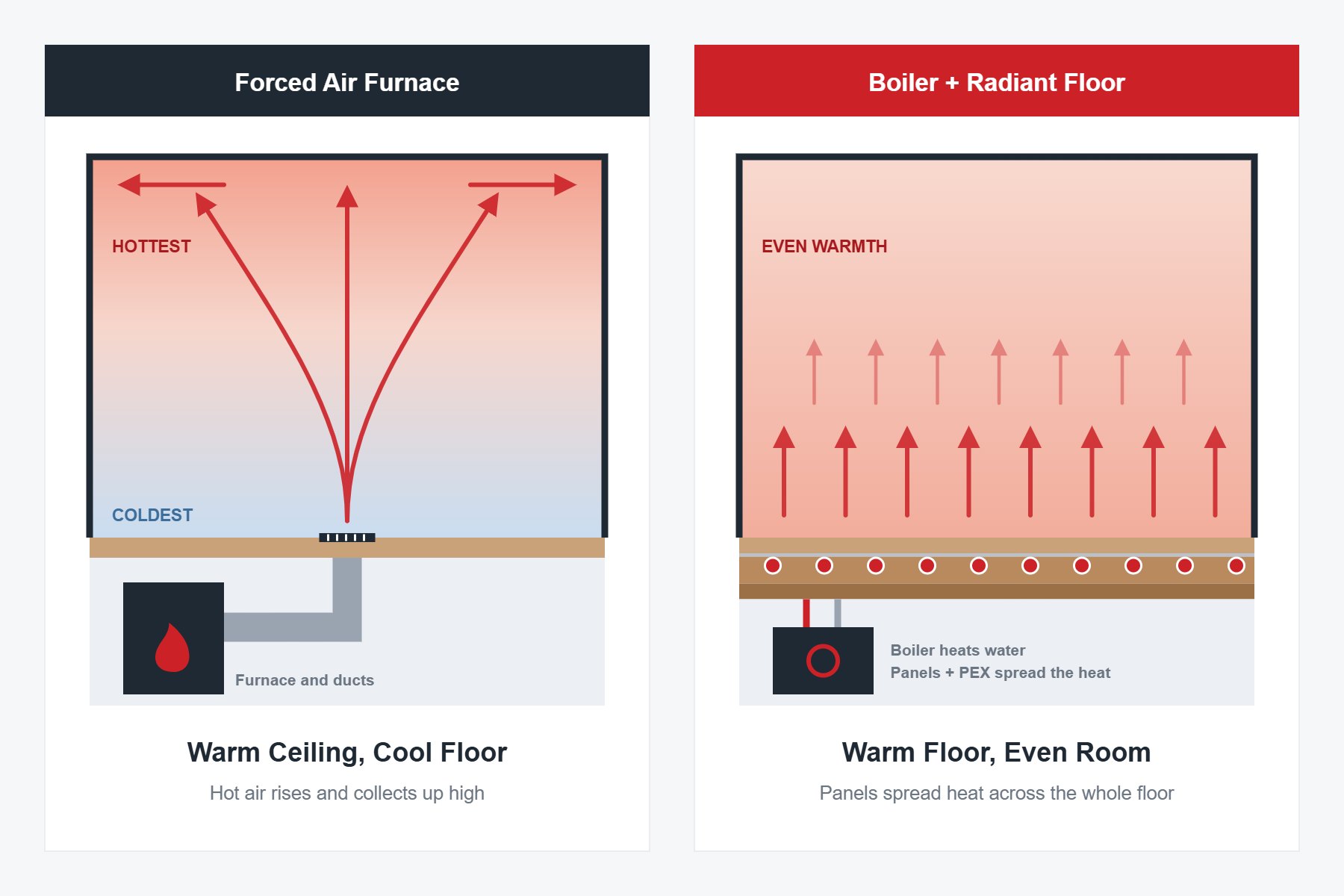
Homeowners today want comfort, efficiency, and reliability from their heating systems. Traditional forced-air furnaces have been the standard for decades, but radiant floor heating paired with a high-efficiency boiler is now one of the most comfortable and energy-efficient ways to heat a home. Let’s compare radiant systems to traditional ones and look at how WBI radiant panels make the system perform even better.
How a Radiant Floor Heating Boiler Works
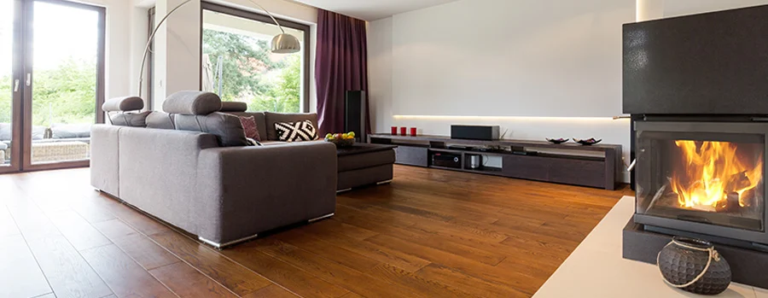
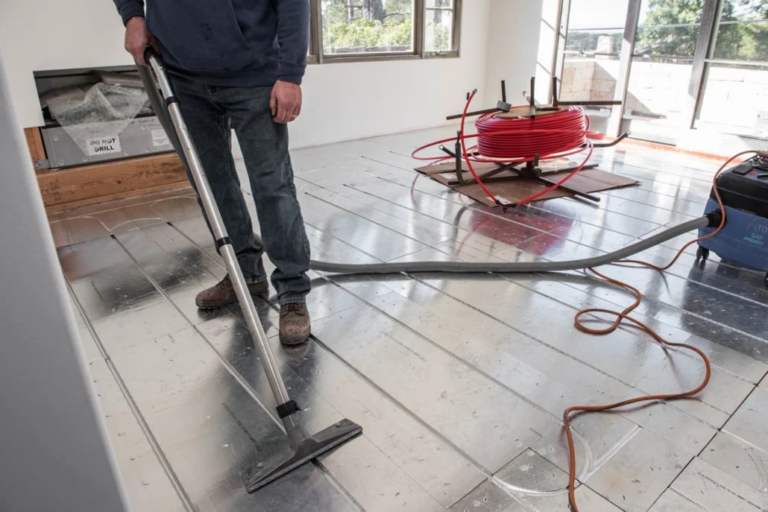
A radiant heat boiler sends warm water through PEX tubing installed beneath the floor. That heat rises evenly through the flooring surface and warms the entire space from the ground up. Instead of blowing heated air through ducts, boiler for radiant floor heating transfers warmth directly to people and objects, creating consistent comfort without drafts or cold spots.
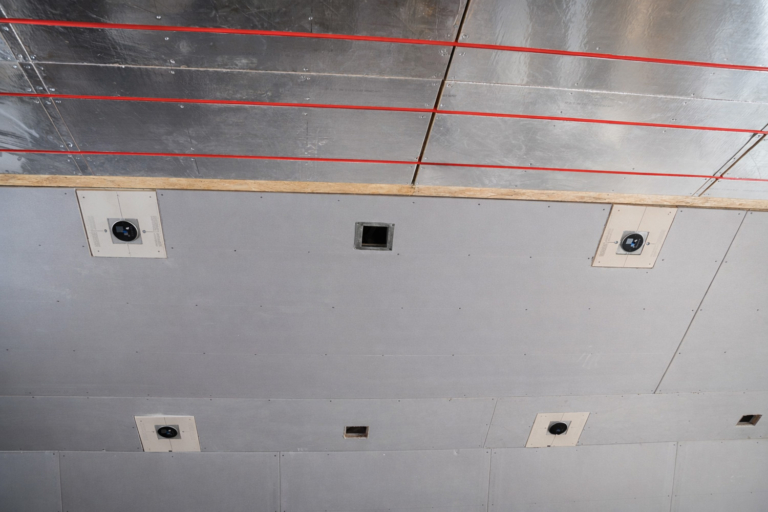
When paired with WBI’s RadiantBoard and ThermalBoard panels, heat transfer becomes even more effective. These panels feature aluminum surfaces that spread warmth evenly across the floor, allowing the radiant floor heating boiler to operate at lower water temperatures and improving overall system efficiency.
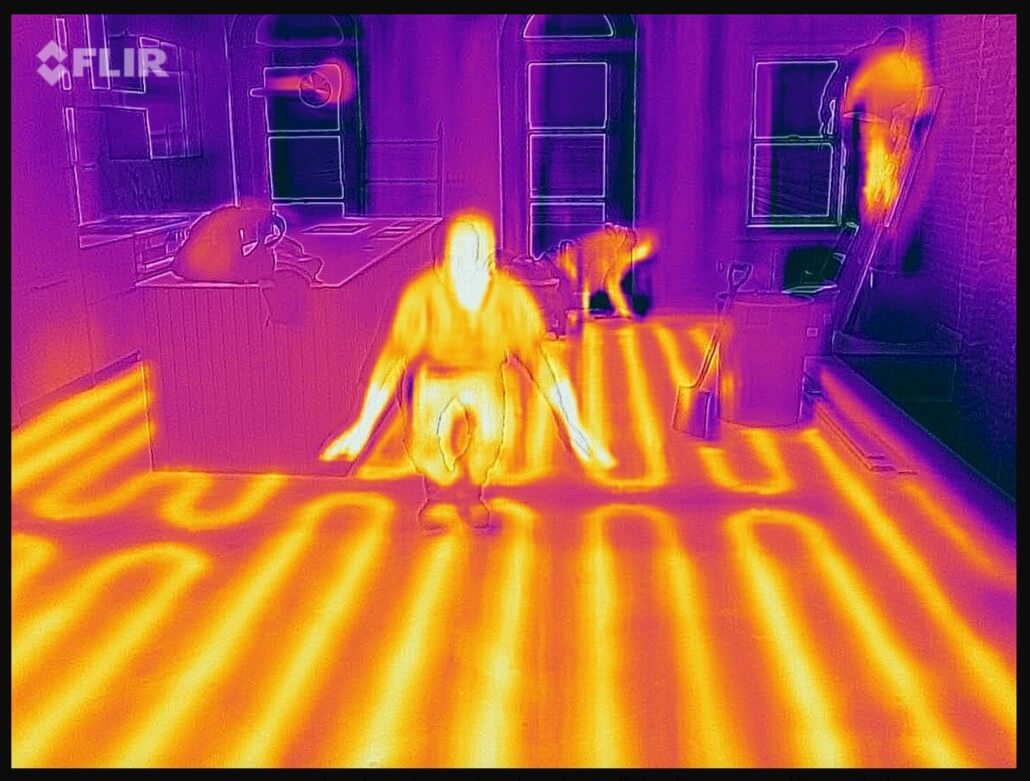
Thermal camera view of a WBI radiant floor in the historic firehouse renovation. The bright lines are the warm water tubing.
Boiler vs. Traditional Furnace: Efficiency and Comfort
- Even Heat Distribution
Forced-air systems heat air that quickly moves to the ceiling, leaving cooler floors. A radiant floor heating boiler keeps the warmth where it matters most, at floor level, producing steady, even comfort in every room. Unlike furnaces that switch on and off frequently, boiler radiant floor heating systems provide a steady flow of warmth, maintaining a balanced indoor climate throughout the day. - Lower Operating Temperatures
Radiant systems often operate with water temperatures between 90 and 130°F, much lower than those needed for baseboard or radiator systems. This means the boiler runs more efficiently, saving energy while still delivering the same comfort level. Over time, this lower operating temperature reduces wear and tear on the system components, enhancing the overall lifespan of both the boiler and the radiant panels.
- Reduced Heat Loss
Ductwork in forced-air systems can lose up to 30% of generated heat through leaks and poor insulation. Radiant systems eliminate that problem entirely by circulating heat through the floor. Because the heat is transferred directly into the living space, very little energy goes to waste, which makes radiant heating one of the most efficient heating technologies available today. - Better Indoor Air Quality
No ducts mean no dust, allergens, or noisy air movement. A radiant heat boiler provides quiet, clean, and healthy comfort throughout the home. This is especially beneficial for people with allergies or respiratory sensitivities who prefer a heating system that keeps the indoor air cleaner.
Choosing the Right Boiler for Radiant Floor Heating
Source: U.S. Department of Energy AFUE ratings and heat pump COP data at design temperatures.

Modern modulating condensing boilers are ideal partners for radiant systems. They automatically adjust their output to match the heating load, operating more efficiently at lower water temperatures.
The best boiler for radiant floor heat depends on the fuel available at your home, the size of the space and whether you also want the boiler to heat your water. Here is how the main options compare.
| Boiler Type | Typical Efficiency | Best For | Watch Out For |
|---|---|---|---|
| Natural gas condensing | 90 to 98% AFUE | Whole homes with a gas line | Needs a condensate drain and plastic venting |
| Propane condensing | 90 to 98% AFUE | Homes without natural gas | Propane usually costs more per unit of heat than natural gas |
| Combi boiler (gas or propane) | Up to about 95% AFUE | Smaller homes that want heating and hot water from one unit | Hot water flow can be limited for large households |
| Electric boiler | About 100% | Small areas, additions and all-electric homes | Highest running cost where electricity is expensive |
| Air-to-water heat pump | 300 to 450% (COP 3 to 4.5) | All-electric homes, especially in milder climates | Higher upfront cost; output drops in very cold weather |
| Oil boiler | 80 to 90% AFUE | Homes already using heating oil | Fuel deliveries and more maintenance |
Why Condensing Boilers Suit Radiant Floors
A condensing boiler recovers extra heat from its exhaust gases, but only when the water returning to it is cool enough, below about 130°F. Radiant floors run on water between roughly 90 and 130°F, so a condensing boiler paired with radiant panels condenses most of the time and runs near its rated efficiency. With high-temperature baseboard or radiators, the same boiler often cannot condense.
Size the Boiler to the Heat Loss
Do not size a new boiler from the old furnace or from square footage alone. A room-by-room heat loss calculation shows how much heat each space actually needs on the coldest day. An oversized boiler switches on and off often, which wastes fuel and wears parts. A modulating boiler helps here because it can turn its output down on mild days.
WBI panels are compatible with all of these options. Their design helps lower the supply temperature the radiant heat boiler needs to maintain comfort, which directly improves boiler efficiency and shortens recovery times.
Energy Savings and Payback
Radiant systems may have a higher initial cost than traditional forced-air systems, but the long-term savings are clear. Homeowners often experience 15 to 30 percent lower heating costs each year.
By combining a modern boiler with WBI radiant panels, you can achieve faster heat response, greater comfort, and measurable energy savings that pay off season after season. Over time, these savings offset the installation cost while offering enhanced durability and lower maintenance needs.
Best Places to Use Radiant Heating
Radiant floor heating is ideal for:
- New construction or remodeling projects
- Basements, bathrooms, and kitchens
- Homes built over concrete or wooden subfloors
- Whole-home comfort systems using RadiantBoard, ThermalBoard, or RadiantBoard EPS panels
Frequently Asked Questions
What is the best boiler for radiant floor heat?
For most homes with a gas line, a modulating condensing gas boiler is the best fit. Radiant floors return water cool enough for it to condense, so it runs at 90 to 98% efficiency. Without natural gas, a propane condensing boiler or an air-to-water heat pump are the main options.
Can I use an electric boiler for radiant floor heating?
Yes. Electric boilers are compact, need no venting and turn nearly all of their electricity into heat. Running costs are usually higher than gas, so they suit smaller areas, additions or homes with low electricity rates.
What size boiler do I need for radiant floor heating?
It depends on how much heat the home loses, not just its size. Ask your installer or heating designer for a room-by-room heat loss calculation before choosing a boiler, so it is not oversized.
Is radiant floor heating cheaper to run than forced air?
Usually, yes. Radiant floors avoid the heat lost through ductwork and run at lower water temperatures, which lets a condensing boiler work at its best. Actual savings depend on fuel prices, insulation and system design.
Do WBI panels work with any boiler?
Yes. WBI radiant panels work with gas, propane, oil and electric boilers, as well as air-to-water heat pumps. Their aluminum surface spreads heat across the floor, which lets the heat source run at lower water temperatures.
Conclusion
When comparing radiant floor heating boilers to traditional heating systems, radiant heat clearly provides more consistent comfort, higher energy efficiency, and better air quality. With WBI radiant panels, the system performs at its best, transferring heat quickly and efficiently through the floor.
For homeowners, that means more comfort, less wasted energy, and a heating system that truly redefines modern home comfort. As energy costs continue to rise, investing in a radiant floor heating boiler becomes not just a comfort upgrade but a smart, sustainable decision for the future.
Sources
- U.S. Department of Energy: Furnaces and Boilers
- U.S. Department of Energy: Radiant Heating
- U.S. Department of Energy: Heat Pump Systems
About The Author