USA
USA Canada
Is Electric Floor Heating Worth It, or Should You Choose Hydronic Radiant Heat?
When comparing radiant floor heating options, most homeowners land on two choices: electric systems or hydronic (water-based) systems. Both can deliver comfortable, even heat, but they serve very different roles.
If you’re trying to decide which one makes sense for your project, the key is not just what works, but what works best for your situation.
When Does Electric Floor Heating Make Sense?
Electric Floor Heating: Room-by-Room Suitability
| Room / Area | Electric Fit | Why |
|---|---|---|
| Bathroom | ★★★★★ | Small area, low runtime — low operating cost |
| Entryway / Mudroom | ★★★★★ | Targeted use, simple install under tile |
| Small Kitchen | ★★★★ | Good for spot comfort; avoid under cabinetry |
| Single Bedroom | ★★★ | Moderate — depends on hours per day used |
| Open-Plan Living Area | ★★ | Large area = high electricity bill each month |
| Whole Home / New Build | ★ | Hydronic is far more efficient at this scale |
★★★★★ = Excellent fit | ★ = Poor fit for electric; consider hydronic radiant panels
Electric floor heating uses resistance cables or mats installed beneath the floor surface. It is straightforward and effective, especially in small areas.
Best use cases:
- Bathrooms
- Small kitchens
- Entryways and mudrooms
- Single-room retrofits
Electric radiant heat is a strong option when a home does not already have a hydronic system in place. It avoids the need for a boiler, manifolds, or plumbing infrastructure.
According to the U.S. Department of Energy, electric radiant systems are commonly used for spot heating and small-area applications, where installation simplicity outweighs long-term operating cost.
The Key Limitation of Electric: Operating Cost
Estimated Monthly Operating Cost — 200 sq ft
Estimates based on average US utility rates. Actual costs vary by climate, insulation, and thermostat schedule.
Electric systems are nearly 100% efficient at converting electricity into heat. The issue is not efficiency, it is energy cost.
- Electricity typically costs significantly more per BTU than natural gas or propane
- This makes electric radiant expensive to run over large areas
- Costs scale quickly as square footage increases
Bottom line:
- Heating a small bathroom is reasonable
- Heating an entire home with electric radiant is usually not cost-effective
When Hydronic Radiant (with Panels) Is the Better Solution
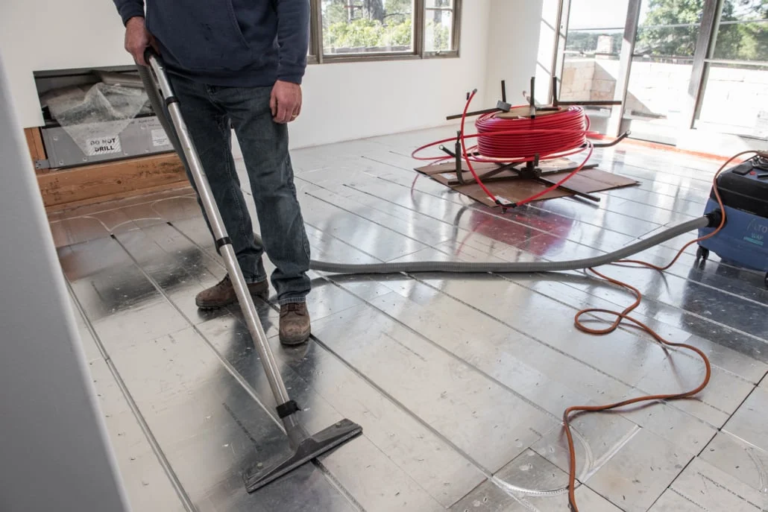
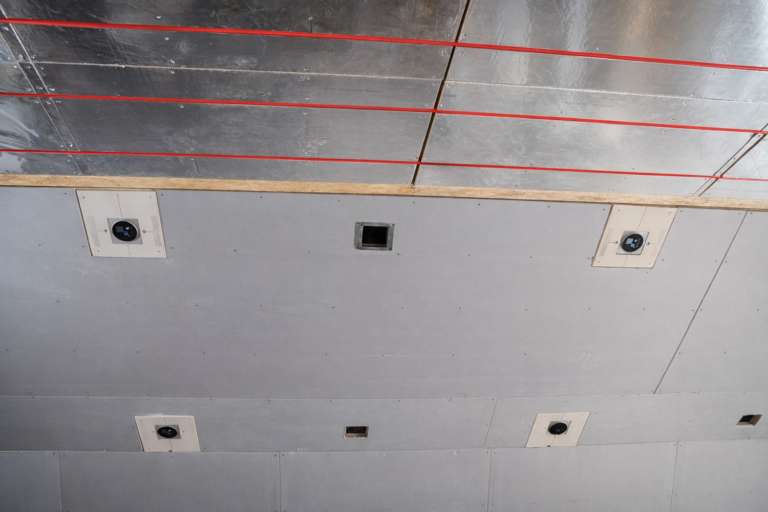
Hydronic systems circulate warm water through PEX tubing. When paired with modern panel systems like WBI’s RadiantBoard or ThermalBoard, they become far easier and faster to install than traditional methods.
What makes panel-based hydronic systems stand out:
- Pre-engineered channels for tubing simplify installation
- Aluminum heat transfer layers improve output and consistency
- No need for complex pours in many applications
- Cleaner, more predictable installs for contractors
Just as important, response times are strong. Panel systems with aluminum transfer surfaces heat up quickly compared to older slab-only designs, giving you both comfort and control.
The Radiant Professionals Alliance consistently points to hydronic systems as the preferred solution for whole-home heating, especially when efficiency and long-term cost matter.
A Critical Decision Point Most People Miss
Here is where many homeowners make the wrong call:
- If there is no existing hydronic system, electric can make sense for small areas
- But if there is already a hydronic system in the home, adding electric is usually not the best move
Why?
- You already have the infrastructure (heat source, distribution, controls)
- Expanding the hydronic system is typically more efficient
- Operating costs remain much lower than adding electric zones
In other words:
If hydronic already exists, it is almost always better to extend it than to introduce electric heating.
Electric vs Hydronic Panels: Real-World Comparison
Electric vs. Hydronic Panels: Head-to-Head
| Factor | Electric Mat/Cable | Hydronic Panels |
|---|---|---|
| Install Cost (200 sq ft) | $500–$1,500 | $2,000–$5,000+ |
| Install Complexity | Low — DIY possible | Moderate — needs plumber |
| Monthly Operating Cost | High (electricity) | Low (gas/heat pump) |
| Heat Response Time | 30–60 min | 1–4 hrs |
| Best Coverage Area | 1–3 rooms | Whole home / large floors |
| System Lifespan | 25–35 years | 30–40 years |
| Retrofit Friendliness | ★★★★★ | ★★★☆☆ |
| Factor | Electric Radiant | Hydronic Radiant (Panel-Based) |
| Best Use Case | Small, isolated spaces | Whole homes or multiple rooms |
| Install Effort | Very low | Moderate, but simplified with panels |
| Upfront Cost | Lower | Higher |
| Operating Cost | High | Low |
| Response Time | Fast | Fast (with panel systems) |
| Scalability | Limited | Excellent |
The Smart Way to Approach Radiant Heating
Which System Is Right for You? Quick Decision Guide
WBI’s RadiantBoard and ThermalBoard panels work with both system types — giving you flexibility to start small and expand later.
A practical, cost-effective strategy looks like this:
- Use electric radiant for small areas only when no hydronic system exists
- Use hydronic panel systems for:
- Whole-home heating
- Larger zones or multiple rooms
- Any project where long-term efficiency matters
- If a hydronic system is already installed, expand it instead of adding electric
This approach balances installation cost, performance, and long-term operating efficiency.
Final Verdict
Electric floor heating absolutely has its place, but it is a targeted solution, not a whole-home strategy.
- Electric is best for small areas without existing hydronic infrastructure
- Hydronic panel systems offer better scalability, lower operating cost, and strong performance
- If you already have hydronic heat, extending it is almost always the better path
When designed correctly, a hydronic system with modern panels delivers the comfort people expect from radiant heat, without the long-term cost penalties of electric systems.
About The Author