USA
USA Canada
A Complete Guide to Comfort, Efficiency, and Better Performance
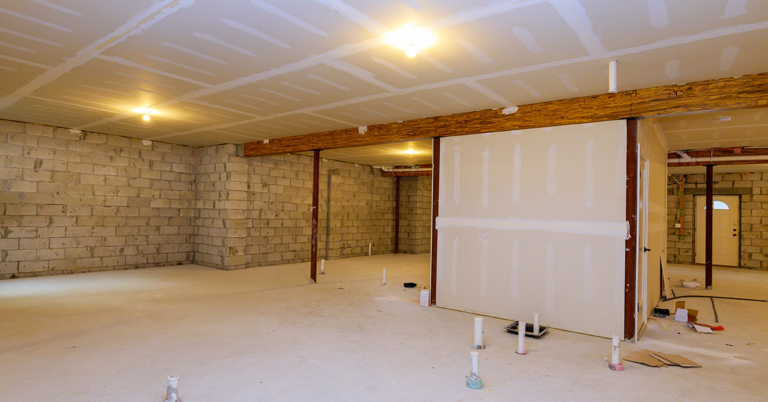
Basements are one of the most difficult areas in a home to heat effectively. Surrounded by soil and built on concrete slabs, they naturally stay cooler than the rest of the house. Even when the air is warm, floors often remain cold, making the space feel uncomfortable.
Radiant floor heating offers a better solution by warming the floor surface directly, creating consistent, even heat throughout the space. However, in basement applications, system performance depends heavily on how the system is designed and installed.
Why Basements Are Challenging to Heat
Concrete slabs act as a thermal mass, meaning they absorb and store heat. Without proper insulation, a portion of the heat produced by a radiant system is lost into the slab before it can warm the room.
This can lead to:
- Slower system response times
- Increased energy use
- Uneven floor temperatures
- Reduced overall comfort
For radiant heating to perform well in a basement, it is critical to control where the heat goes.
Basement Radiant Heating Options
There are several ways to heat a basement, but not all approaches perform equally well.
Forced Air and Baseboard Heat
These systems heat the air rather than the floor. While they can raise room temperature, the slab remains cold, which often results in a space that still feels uncomfortable.
In-Slab Radiant Heating
Tubing is embedded directly in the concrete slab. This can work in new construction, but in basement settings it often results in:
- Slow heat-up times
- Heat being absorbed into the slab
- Limited flexibility once installed
Electric Radiant Systems
Electric mats are commonly used under tile in smaller areas. They are easy to install but typically have higher operating costs and are less practical for heating larger basement spaces.
Radiant Panel Systems (Over Slab)
Panel systems install on top of the slab and combine heat distribution with insulation. This approach is especially effective in basement applications because it helps direct more heat upward into the living space.
| Criteria | Hydronic In-Slab | Electric Mat | WBI Panel System |
|---|---|---|---|
| Warm-up Speed | Slow | Medium | Fast |
| Install Complexity | High | Low | Low |
| Operating Cost | Medium | High | Low |
| Insulation Built-In | No | No | Yes |
| Retrofit Friendly | No | Partial | Yes |
Why Insulation Is the Most Important Factor
In basement radiant heating, insulation is not optional — it is essential.
Without insulation above the slab, heat naturally moves downward into the concrete. Adding insulation above the slab helps reduce this loss and improves how efficiently the system heats the room.
Benefits of adding insulation include:
- Faster response times
- More consistent floor temperatures
- Reduced heat loss
- Improved system efficiency
In many retrofit situations, adding insulation above the slab is the most practical way to improve performance.
A Better Approach: Insulated Radiant Panel Systems
Insulated panel systems are designed to address the challenges of basement heating by combining heat transfer and insulation into one assembly.
This type of system:
- Helps direct heat upward into the room
- Reduces energy loss into the slab
- Improves overall comfort
- Simplifies installation compared to traditional methods
WBI Radiant Panel Systems for Basements
WBI offers panel systems specifically designed for installation over concrete slabs, making them well-suited for basement applications.
RadiantBoard EPS
- Designed for use over concrete or non-insulated floors
- Available in 1-⅛” and 1-¾” insulated assemblies
- Uses 1/2″ PEX tubing at 12″ spacing
- Aluminum layer helps distribute heat evenly
ThermalBoard EPS
- Designed for higher output requirements
- Available in 1″ and 1-⅝” insulated assemblies
- Uses 3/8″ PEX tubing at 8″ spacing
- Provides increased heat delivery where needed
Both systems are dry-install, meaning there is no need for wet pours or long curing times. They are also compatible with a wide range of finished flooring options.
When there is insulation present below the slab and ceiling heights are a concern, RadiantBoard and ThermalBoard can be installed directly on the slab.
Typical Basement Radiant Floor Assembly
A common basement radiant floor setup includes:
- Finished flooring (tile, LVP, engineered wood, etc.)
- Underlayment or setting materials as required
- Radiant panel system (such as WBI EPS panels)
- Existing concrete slab
This approach adds insulation directly beneath the heating system, where it has the greatest impact.
Installation Advantages
Compared to traditional radiant methods, panel systems offer several practical benefits:
- Faster installation timelines
- No curing delays
- Reduced weight compared to poured systems
- Greater control over system performance
- Flexibility across multiple flooring types
Because these are dry systems, installation can move more efficiently, though final flooring timing depends on the flooring manufacturer.
Moisture and Basement Considerations
Before installing any radiant system, it is important to evaluate the condition of the slab.
Key considerations include:
- Moisture testing
- Vapor management
- Proper subfloor preparation
Radiant heating improves comfort, but it does not replace the need for proper moisture control.
Flooring Options for Radiant Basements
Many flooring types work well with radiant systems, including:
- Tile (excellent heat transfer)
- Luxury vinyl plank (LVP)
- Engineered wood
- Sealed or polished concrete
- Low-resistance carpet systems
Always follow flooring manufacturer guidelines for use with radiant heat.
Final Thoughts
Radiant floor heating is one of the most effective ways to improve comfort in a basement. However, performance depends on more than just adding tubing — it depends on how the system manages heat loss.
Among the available options, insulated radiant panel systems installed over the slab offer one of the most practical and effective solutions for basement applications.
WBI’s RadiantBoard EPS and ThermalBoard EPS systems are designed specifically for these conditions, helping deliver consistent comfort, improved efficiency, and a more usable living space.
Frequently Asked Questions
About The Author