USA
USA Canada
Most Efficient Heating Systems for Cold Climates

Heating a home in a cold climate requires more than basic equipment selection. Efficiency depends on the system type, the building envelope, and how heat is delivered into the living space. With energy prices rising and winter temperatures becoming more unpredictable, choosing the most efficient heating systems for cold climates has become a priority for homeowners and contractors alike.
This guide examines the top performing heating systems for cold climates, explains how they work, breaks down efficiency factors, and highlights how hydronic radiant heating and modern air to water heat pumps combine to create one of the most effective solutions available today. We will also discuss how radiant panels from Warm Brothers Inc. (WBI) help maximize low temperature performance by improving heat transfer within the home.
What Makes a Heating System Efficient in a Cold Climate
Not all heating systems behave the same way in low outdoor temperatures. Efficiency in a cold climate depends on several key variables:
1. Low Operating Temperature
Systems that can efficiently produce heat at moderate water or air temperatures tend to perform best. Lower water temperatures increase the coefficient of performance (COP) in heat pumps and improve comfort in radiant systems.
2. Consistent, Even Heat Distribution
Uneven heat can force systems to run longer to meet thermostat demands. High output delivery methods, such as radiant floors, make better use of energy by reducing system cycling.
3. Strong Building Envelope
Insulation, air sealing, and window performance all impact how much heat the system must provide. High efficiency systems perform best when paired with good envelope practices.
4. Compatibility with Renewable or High Efficiency Sources
Cold climate heat pumps, condensing boilers, and hybrid systems thrive when paired with low temperature hydronic distribution.
5. Zoning and Control
More precise zoning reduces wasted energy and can dramatically increase system efficiency over the course of a winter season.
The Most Efficient Heating Systems for Cold Climates

Below are the systems that consistently deliver the best efficiency, comfort, and long term operating costs in cold regions across the United States and Canada.
1. Cold Climate Heat Pumps (Air to Water and Air to Air)
Cold climate heat pumps are engineered to maintain high efficiency even in sub zero temperatures. Unlike older heat pumps that struggled in winter, these systems extract heat from outdoor air using highly efficient refrigerants, larger coil designs, and variable speed compressors.
Why They Are Efficient
- Maintain strong COP at low temperatures
- Use electricity, which enables renewable integration
- Provide both heating and cooling
- Lower operating cost compared to electric resistance or propane
- Best paired with low temperature distribution such as hydronic radiant panels
Best Uses
- New homes
- Major renovations
- Homes switching from fossil fuels
- Radiant floor heating applications
Air to water heat pumps are especially powerful when matched with radiant systems that can deliver comfort at 85 to 110 degree water.
2. Hydronic Radiant Floor Heating Systems
Hydronic radiant heating remains one of the most efficient heating systems for cold climates due to its low water temperature requirement and even heat distribution. Rather than heating air, radiant systems heat the floor, which then gently warms the room.
Why Radiant Systems Excel in Cold Climates

- Operate at low water temperatures, improving heat pump and boiler efficiency
- Provide warm surface temperatures during the coldest months
- Reduce heat loss because lower air temperatures are needed for comfort
- Offer silent operation with no drafts
- Maintain stable comfort even during sudden temperature drops
This is one of the best pairs for high efficiency air to water heat pumps because radiant floors harness the full benefit of low temperature hydronic output.
Where WBI Products Fit
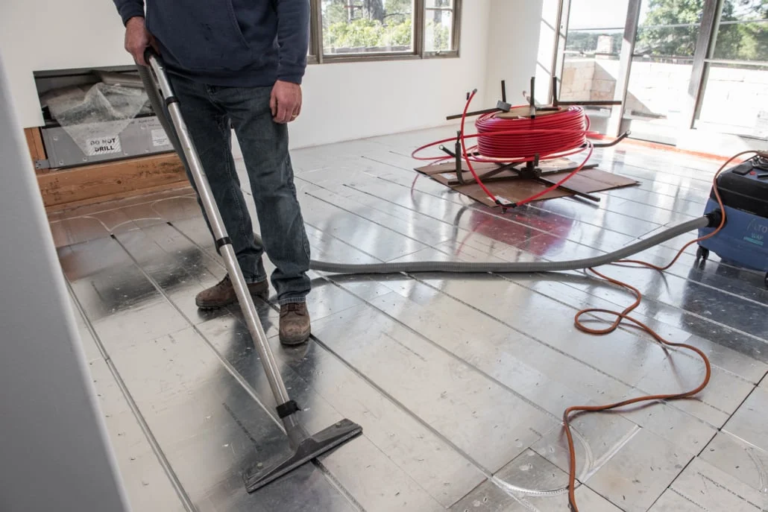
WBI’s Radiantboard, Thermalboard, Radiantboard EPS, and Thermalboard EPS help maximize radiant efficiency by:
- Improving heat transfer
- Allowing lower supply water temperatures
- Reducing downward heat loss through EPS integrated panels
- Offering fast response times during cold mornings
- Simplifying installation for contractors
For cold climate homes seeking maximum efficiency, panel based radiant systems combined with a heat pump are among the best solutions available.
3. High Efficiency Natural Gas or Propane Boilers
Condensing boilers operate at up to 95 percent efficiency when water temperature stays below the dew point of the exhaust gases. They work extremely well with radiant floor heating, panel radiators, and low temperature baseboard systems.
Efficiency Advantages
- High AFUE (annual fuel utilization efficiency) ratings
- Modulating burners reduce cycling
- Strong performance even at very low outdoor temperatures
- Integrate easily with hydronic zoning systems
Best Use Cases
- Homes without heat pump ready electrical service
- Very cold climates where backup heat is essential
- Homes where radiant systems are already planned
Boilers perform best when paired with low temperature radiant systems that maintain condensing mode throughout the heating season.
4. Dual Fuel Hybrid Systems
Hybrid systems pair a heat pump with a backup furnace or boiler. The heat pump handles moderate outdoor temperatures, while the secondary heat source kicks in when temperatures fall extremely low.
Benefits
- High efficiency in moderate weather
- Reliability during extreme cold
- Flexible installation in existing homes
- Ideal for areas with volatile utility pricing
Hybrid systems are often used in regions where temperatures swing widely or where electrical service limits heat pump only solutions.
5. Wood and Pellet Boilers (Modern High Efficiency Units)
In rural cold climates, high efficiency wood gasification boilers and pellet boilers provide renewable heating with strong heat output.
Why They Work Well
- Relatively low operating cost
- Can heat large hydronic systems
- Work with thermal storage tanks and radiant floors
- Strong heat output during long winter stretches
These systems still rely on proper distribution. Radiant floors help convert the high temperature output into comfortable, even heating throughout the home.
Why Hydronic Radiant Systems Are at the Top of Cold Climate Efficiency
To maximize efficiency, the best heating systems need not only an efficient heat source but also an efficient distribution method. Hydronic radiant floors outperform forced air in cold climates for three main reasons:
1. Lower Water Temperatures Reduce Energy Usage
Radiant floors often run at 85 to 110 degrees supply water. Forced air equivalent comfort typically requires 140 to 160 degree supply temperature.
2. More Even Room Temperatures Improve Comfort
Cold climate homes experience the harshest comfort swings. Radiant systems avoid this by keeping the floor warm and maintaining stable surface temperatures throughout the day.
3. Perfect Match for Heat Pumps
Air to water heat pumps can struggle to reach higher temperatures during extreme cold. Radiant systems remove that burden by operating efficiently at low temperatures.
The Role of Radiant Panels in Cold Climate Efficiency
Products from WBI help contractors and homeowners achieve efficiency by optimizing heat transfer inside the building. Radiantboard and Thermalboard provide consistent output across various floor coverings, while EPS integrated versions significantly reduce downward heat loss.
WBI Panels Improve Efficiency By
- Increasing heat transfer into the room
- Allowing lower supply water temperature
- Reducing cycling
- Enhancing heat pump performance
- Speeding up warm up time during cold mornings
- Providing predictable output regardless of subfloor conditions
These advantages are especially noticeable in cold climates where energy savings compound over the long winter season.
Which Heating System Is the Most Efficient Overall
For cold climate homes looking for the highest combined performance, the following pairing is difficult to beat:
Air to Water Heat Pump + Hydronic Radiant Floor Panels
This combi
nation offers:
- Lowest operating cost in most climates
- Best comfort
- Lowest water temperature operation
- Strong compatibility with renewable energy
- Full house zoning flexibility
- Long system life
When paired with high performance radiant panels like Radiantboard or Radiantboard EPS, this system becomes one of the most efficient heating solutions available for harsh winters.
Conclusion
Selecting the most efficient heating system for cold climates requires an understanding of both the heat source and the heat distribution method. Cold climate heat pumps, hydronic radiant systems, high efficiency boilers, hybrid solutions, and modern biomass systems all offer strong performance when installed correctly.
For homeowners seeking maximum efficiency and comfort, pairing a low temperature heat source with a high output distribution system, such as WBI radiant panels, creates an optimized heating solution that performs reliably even in the coldest seasons. Contractors benefit from predictable performance, fewer callbacks, and simplified design conditions.
About The Author