Contractor Guide: How to Talk to Homeowners About Under Floor Radiant Heat
Contractor Guide to Selling Underfloor Radiant Heat
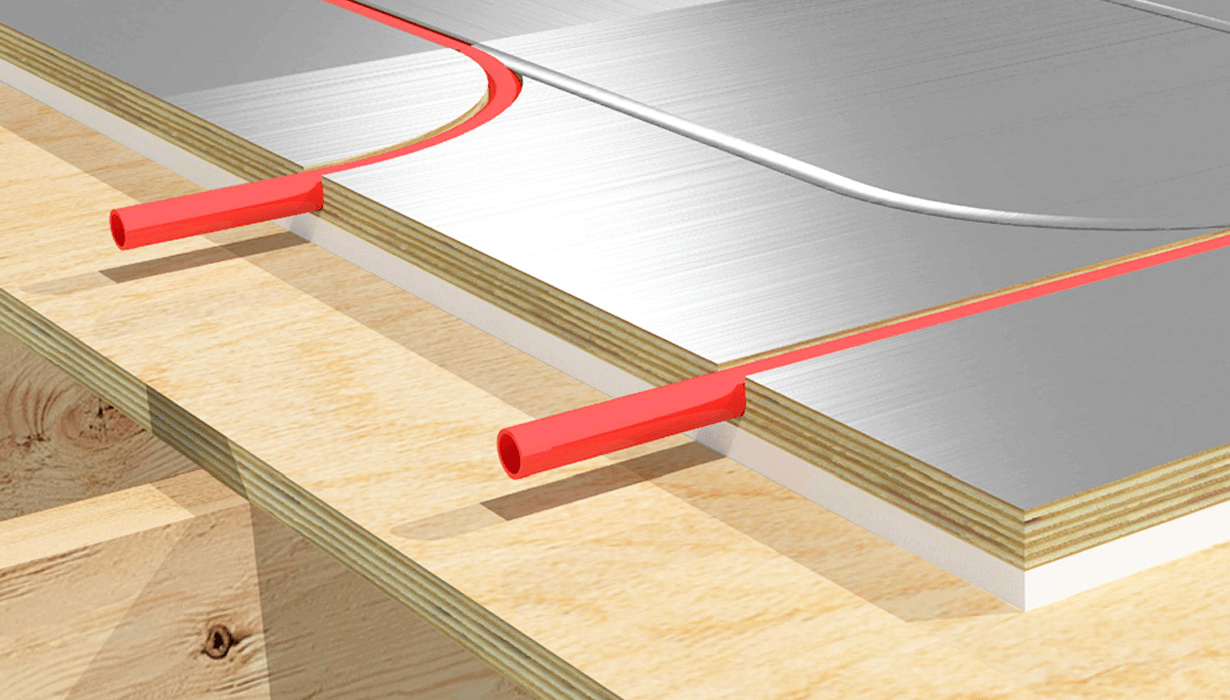
When homeowners ask about heating options, many have heard the term under floor radiant heat, but they may not fully understand how it works or how it compares to traditional systems.
This guide helps contractors clearly explain the benefits, options, and considerations so homeowners feel confident in their decision.
Step 1: Start With Comfort, Not Equipment
Instead of leading with boilers and tubing, begin with what matters most to homeowners:
Comfort.
You can say:
Under floor radiant heat warms the floor itself. Instead of blowing hot air around the room, the floor becomes the heat source, creating even, consistent warmth without drafts.
Help them visualize:
- Warm tile in the morning
- No cold spots across the room
- No noisy vents turning on and off
Homeowners respond to how it feels, not how it’s piped.
Step 2: Explain How It Works in Simple Terms
Keep it simple:
We circulate warm water through tubing beneath your floor. That heat rises evenly into the room. It’s quiet, efficient, and very comfortable.
Avoid overcomplicating the explanation. Most homeowners don’t need technical detail unless they ask.
Step 3: Clarify the Installation Options

There are different types of under floor radiant heat, and homeowners need to understand what applies to their project.
a. For New Construction
Explain slab systems:
If we’re pouring concrete, tubing can go directly in the slab. It holds heat well but responds more slowly.
With WBI’s EPS backed panel system you can be installed directly over the concrete slab providing more efficient project scheduling and a higher performing system overall system.
b. For Remodels or Wood Subfloors
Explain panel systems:
We can install engineered radiant panels above your subfloor before the finished flooring goes down. These systems respond faster and are ideal for remodels.
Panel systems like RadiantBoard, ThermalBoard, RadiantBoard EPS, and ThermalBoard EPS from Warm Brothers Inc. are designed specifically for this type of installation.
If installing over concrete or an uninsulated surface, EPS-backed panels reduce downward heat loss and improve upward performance.
c. For Retrofit From Below
Explain staple-up systems honestly:
We can install tubing from underneath between the joists, but performance depends heavily on insulation and heat transfer plates.
Be transparent about differences in responsiveness and efficiency.
Step 4: Address Common Homeowner Questions
a. Is it energy efficient?
Explain:
- Radiant systems operate at lower water temperatures
- They reduce temperature swings
- Many homeowners feel comfortable at lower thermostat settings
b. Will it work with my flooring?
Most flooring types are compatible:
- Tile
- Engineered hardwood
- Solid hardwood (with proper controls)
- LVT (manufacturer approval required)
Reassure them that surface temperatures are controlled to protect the flooring.
c. Does it replace my AC?
No. Radiant heat handles heating. Cooling requires a separate system, though some hydronic systems can integrate with cooling when designed correctly.
Step 5: Focus on Lifestyle Benefits

Homeowners often decide based on quality of life improvements.
Highlight:
- Silent operation
- No dust circulation
- No visible vents
- Clean interior aesthetics
- Zonal temperature control
You can say:
It’s the kind of comfort you notice every day, especially in winter.
Step 6: Be Honest About Design Requirements
Build trust by explaining that performance depends on proper design.
Mention:
- Heat load calculations
- Tubing spacing
- Insulation below the system
- Smart controls and thermostats
Explain that proper engineering prevents overheating and improves long-term efficiency.
Step 7: Set Realistic Expectations
Be clear:
- Slab systems respond slower but retain heat longer
- Panel systems respond faster
- Radiant heat feels different than forced air
- It does not create high airflow
When homeowners understand how it behaves, satisfaction increases.
Step 8: Close With Value
Instead of focusing only on upfront cost, frame the investment:
Under floor radiant heat isn’t just a heating system. It’s a comfort upgrade. It improves how your home feels every day.
Emphasize:
- Long-term comfort
- Durability
- Lower mechanical noise
- Energy-conscious operation
Final Contractor Talking Points Summary
When discussing under floor radiant heat with homeowners:
- Lead with comfort.
- Keep the explanation simple.
- Match the system type to the project.
- Address efficiency and flooring concerns clearly.
- Emphasize lifestyle benefits.
- Be transparent about design and control requirements.
When presented confidently and clearly, under floor radiant heat becomes an easy decision for homeowners who value comfort, efficiency, and clean design.