 USA
USA Canada
TheBuild.TV Chooses Ecowarm RadiantBoard For A Historic Firehouse Rehab
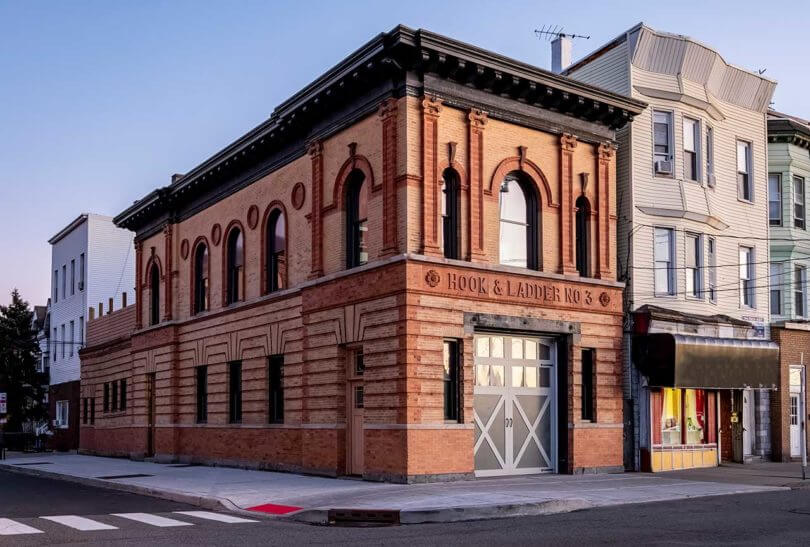
Hook & Ladder Co. #3 in Jersey City was built in 1896 and served until 2005. Anthony Carrino turned it into his family home, and every RadiantBoard panel and every foot of PEX went down in a single day.
From firehouse to urban residence
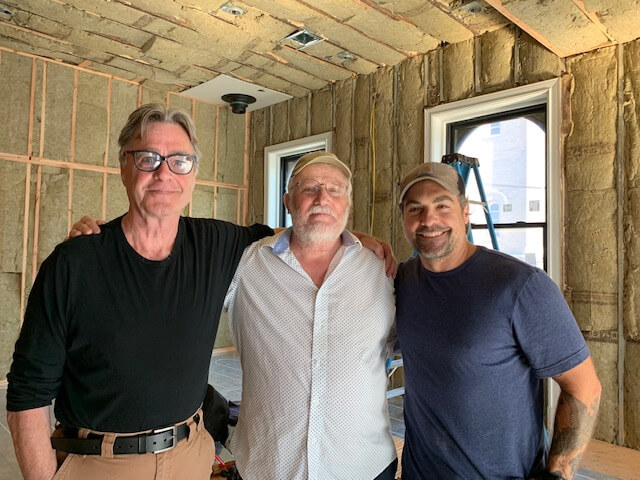
In September 2019 WBI partners Morgan Muir and Hoyt Corbett travelled to Jersey City to work with former HGTV host Anthony Carrino on a radiant heat deep dive for season one of The Build TV. Anthony was converting Hook & Ladder Co. #3, a station that opened in 1896, served the Jersey City Heights neighbourhood until 2005, and was placed on the National Historic Registry in 2015, into his own home.
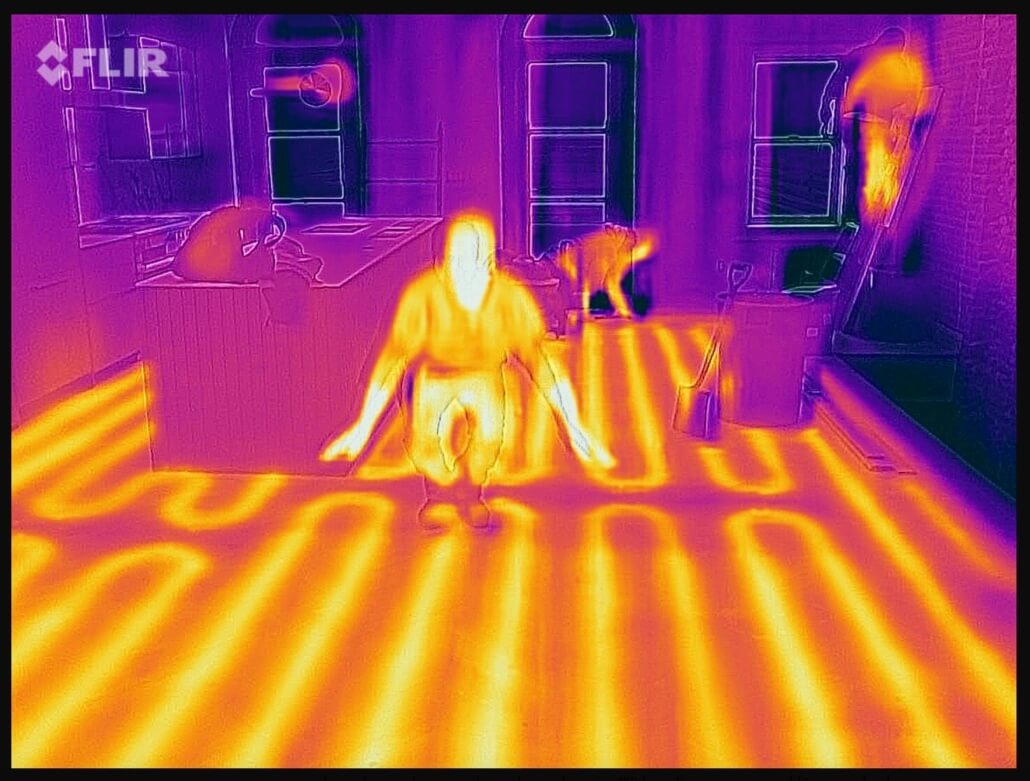
High ceilings, brick walls, early twentieth-century industrial construction and multiple zones normally make comfort expensive in a building like this. Anthony's search for a solution ended with Ecowarm RadiantBoard, chosen for day-to-day comfort, heating efficiency, zone control and cost performance. He has since married, had a daughter and moved into the firehouse full time. The dog you will see in the thermal image below lives there too.
Why a dry panel was the only realistic option
A historic shell rules out most radiant approaches. There was no appetite for a concrete pour over existing framing, and the original wood subfloor had to stay. RadiantBoard adds between 5/8 and 7/8 of an inch, works directly over wood, and runs at a low supply temperature that suits an older boiler system.
| No concrete pour in existing structure | Yes |
| Floor height increase | 5/8 to 7/8 in |
| Compatible with historic wood subfloors | Yes |
| Supply temperature, safe for older boilers | 90 to 120°F |
Source: WBI ThermalBoard and RadiantBoard specifications for retrofit applications.
Watch the install: eight minutes, start to finish
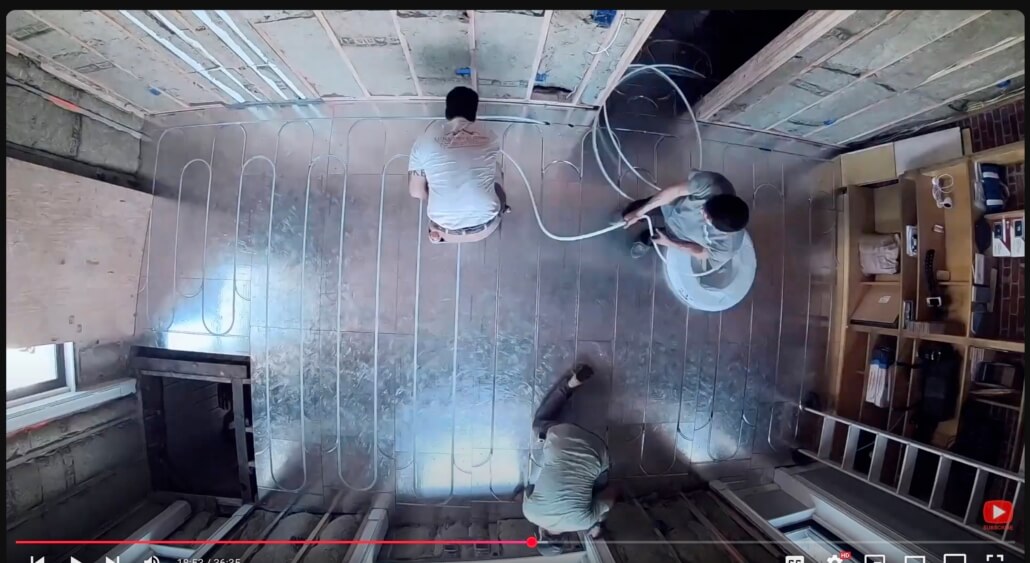
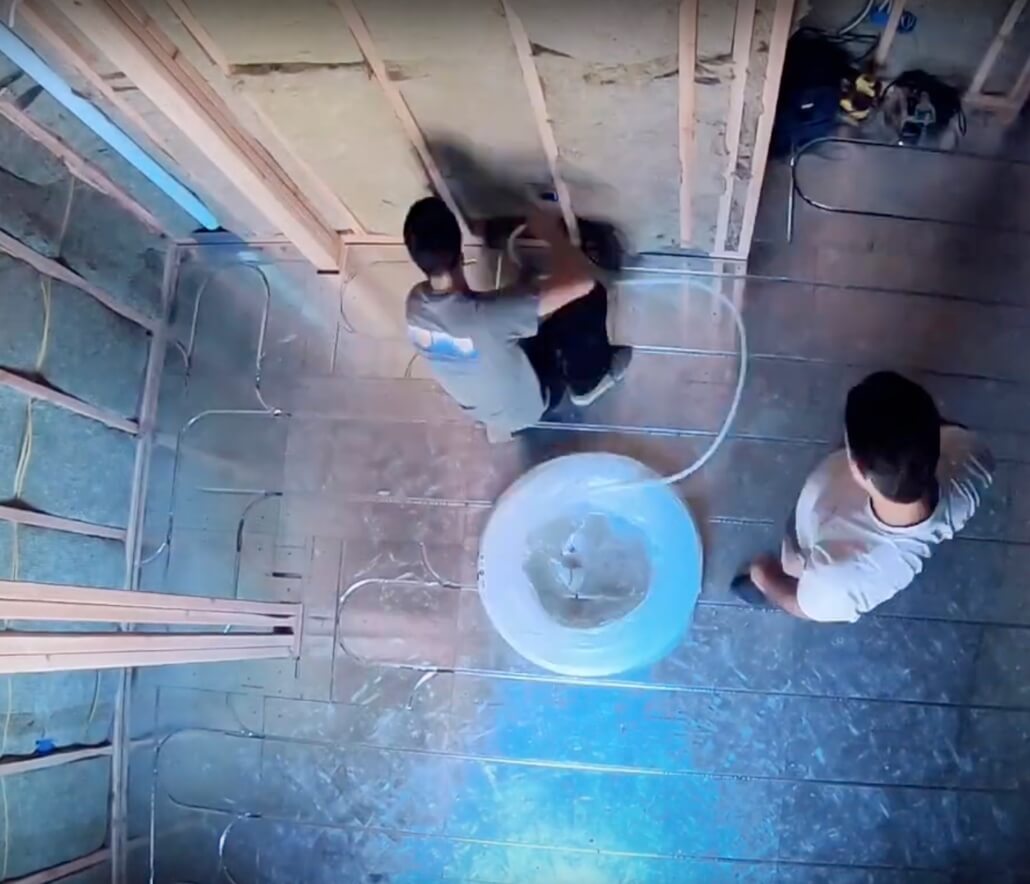
Before the crew arrived, Anthony had strung overhead wires for a motorised trolley camera he drove by remote, capturing the whole radiant heat installation from above. He half-jokingly complained that the tubing went down so fast the camera struggled to keep up.
Eight minute radiant heat installation video with narration and overhead time-lapse. Video by Anthony Carrino.
How the panels went down
The crew laid out every board to the WBI layout drawing, a design service included with every order, using short offcuts of PEX to align each board with the next. Once the layout was set they lifted each board, ran construction adhesive along the underside, set it back down and screwed it off.
The alternative is a 3/8 inch sheathing staple, two per specified location, driven in opposing directions so they form an X in cross section. Panels arrive pre-routed, so there is no drilling and no retainer plates on site.
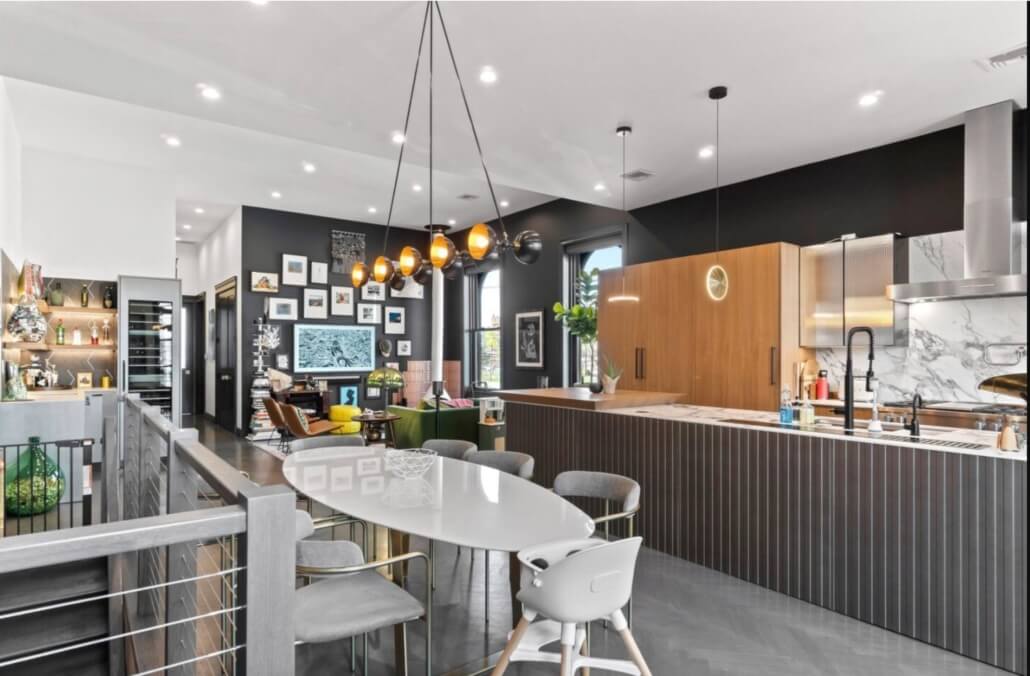
The kitchen, before and after
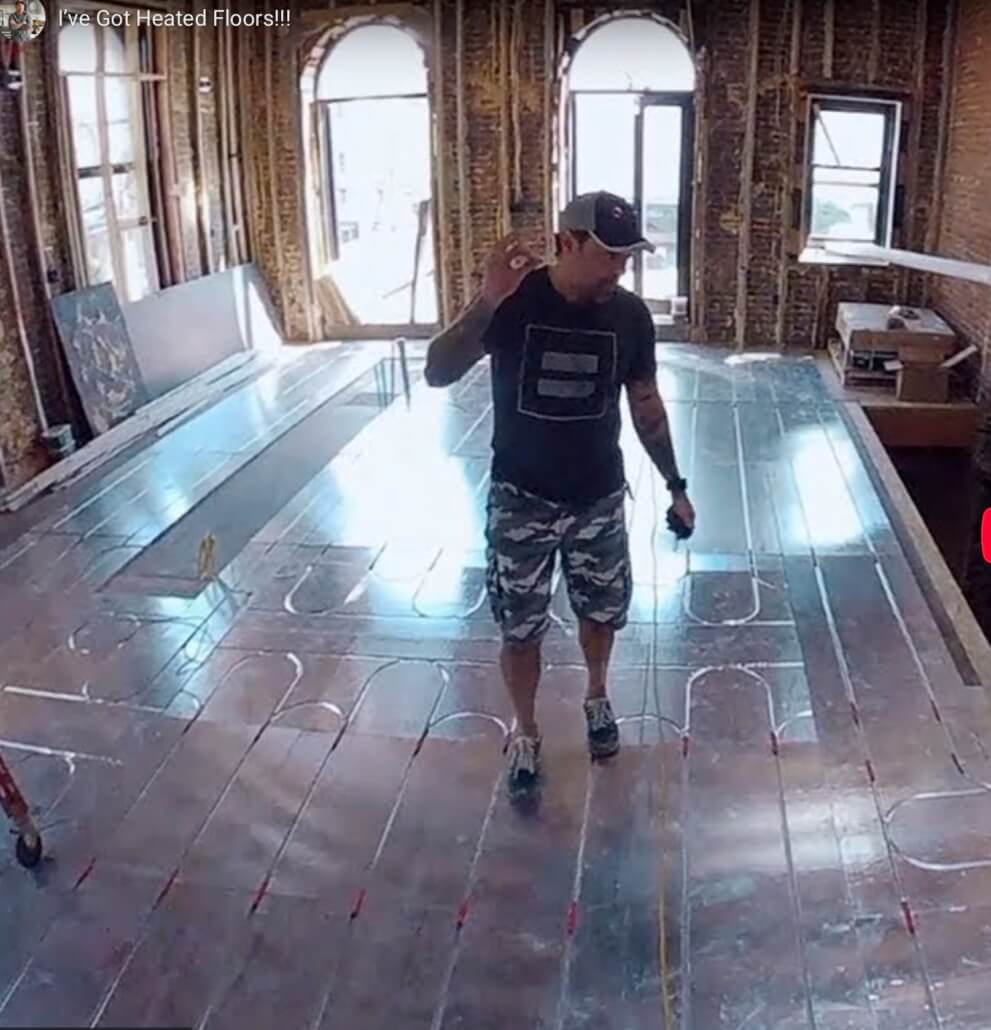
Not having hot and cold spots when you’re stepping on and off the tubes underneath the floor, having the conductivity spread out across the aluminum, small boards that are easy to carry on a construction site, the ability to cut the boards with a table saw, and having everything pre-drilled — it’s just incredible. Everything ran without a hitch.
Anthony Carrino, The Build TVProof in the thermal image
The finished rooms
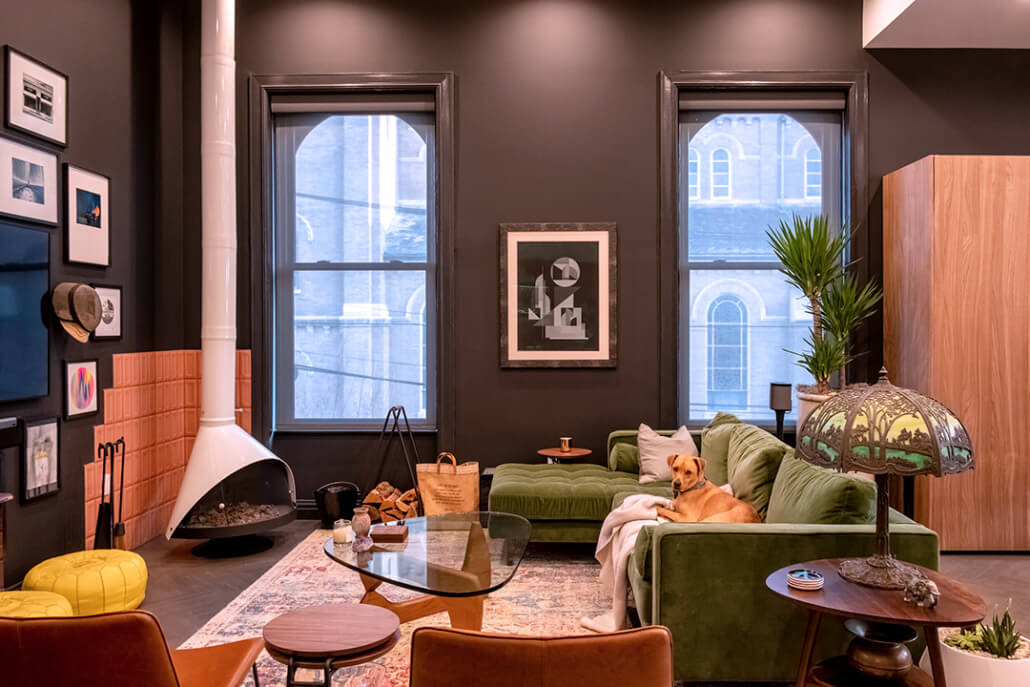
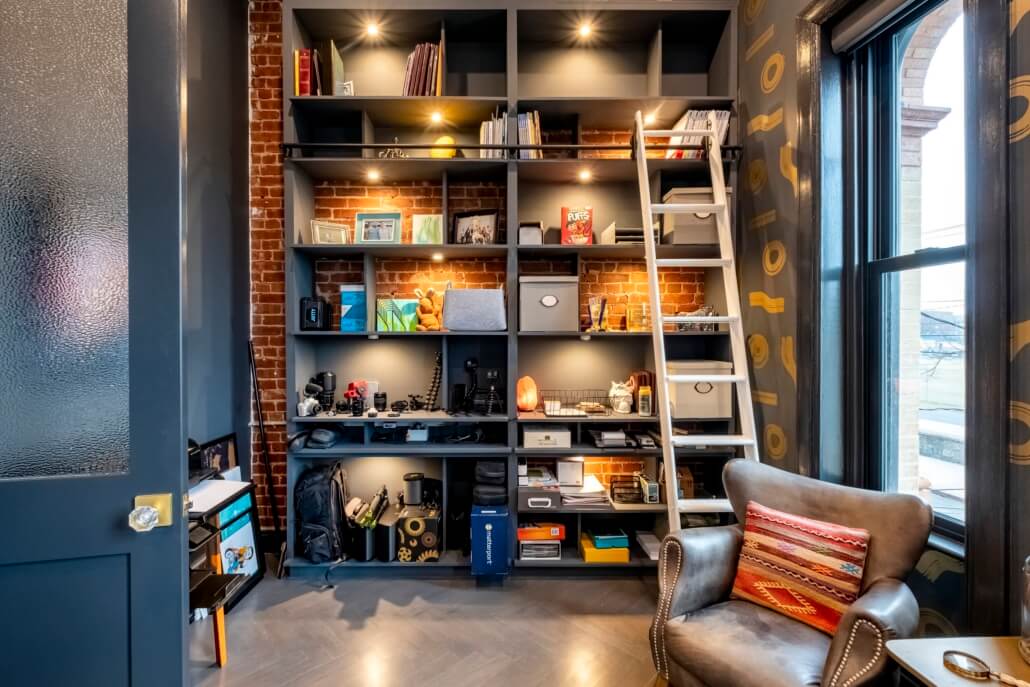
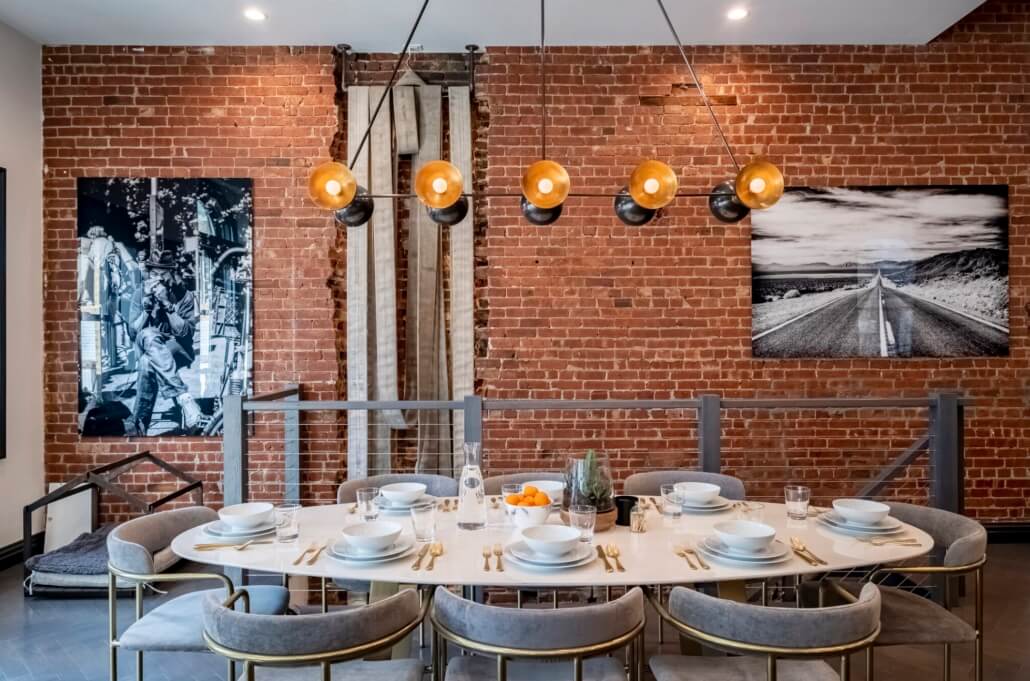
All photos by Anthony Carrino.
The deep dive interview
Anthony also recorded a separate long-form interview with Morgan and Hoyt for his Deep Dive series. It runs about 36 minutes and covers why RadiantBoard is built the way it is.
- Morgan and Hoyt, and 70 years of radiant experience between them
- Why the aluminium sits on top, for better heat transfer
- Aluminium is 1200 to 1500 times more conductive than plywood
- Light weight and panel size, and why that matters upstairs
- Radiant comfort and mean radiant temperature explained
- Loops and zones
- PEX pipe rather than PEX-AL-PEX, and why
- Cutting, screwing or stapling, and routing special channels
- Why two SKUs can cover almost every job
Deep Dive on The Build TV, approximately 36 minutes.
Behind the scenes
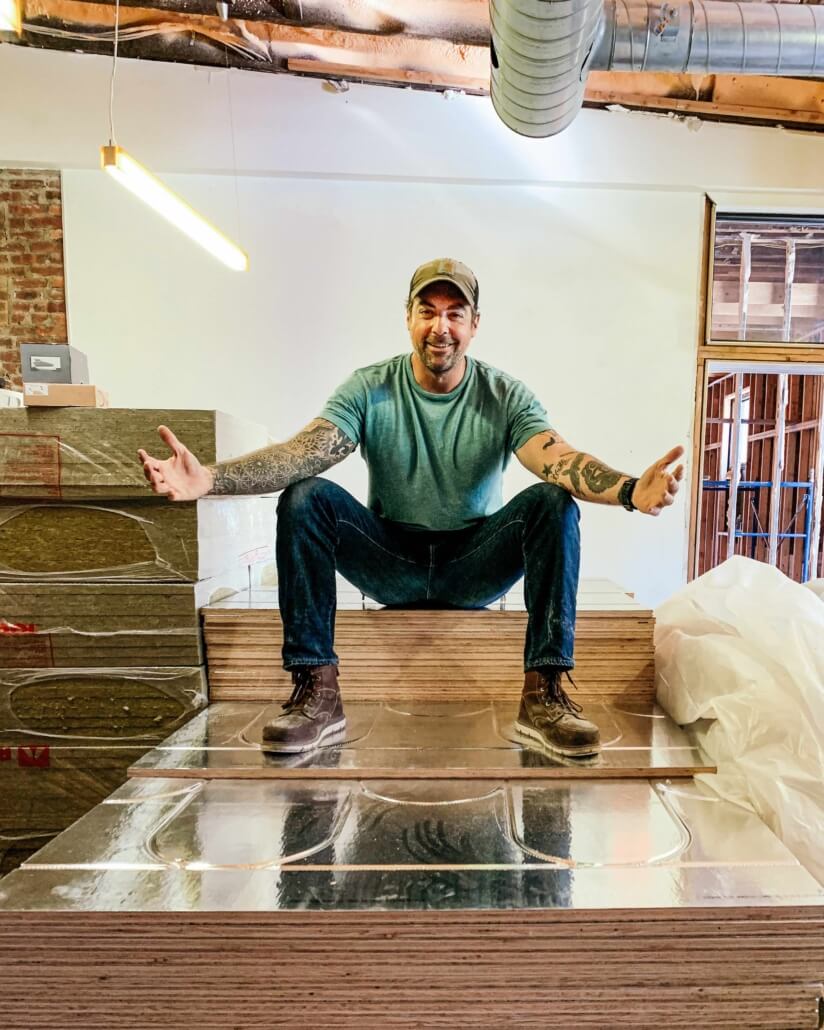
Anthony predicted the exact day the panels would be installed a month in advance, which is how the WBI team booked flights that far out. That kind of scheduling is the mark of a contractor who knows how to run a job, and his television experience made him unusually good at drawing out what a homeowner actually wants to know about radiant heat.
The firehouse has its own engineering set pieces beyond the floor. The firepole from the office down to the garage had to satisfy both child safety and code, then be repositioned when the swing-out garage doors became an overhead door in an angled room. The retractable protection cage with retractable metal firestopping is worth the watch on its own.
The result is two videos that are better than anything WBI could have scripted.
Why it works for residential and commercial retrofits
- Two-panel system with panel-by-panel floor plans, for fast and intuitive installation
- Shipped factory direct to the job site
- Single-person panel size, easy to move in tight and multi-storey spaces
- Undercut PEX channels, walk-in and retainer-plate free
- Lightweight at roughly 2 lbs per square foot
- No pre-drilling needed, fastener and nail-gun friendly
- Low profile at 3/4 inch for difficult applications
- Easier LEED certification: US plywood, aluminium with recycled content, water-based no-VOC adhesives

Contact us today for a free quote
Ecowarm RadiantBoard balances performance, material quality, environmental responsibility and cost. It is the best value in radiant board heating.
Get a Quote