USA
USA Canada
Can You Use Luxury Vinyl Flooring Over Radiant Heat?
Luxury vinyl flooring, including LVP and LVT, can be used with radiant floor heating in many applications, but it requires careful product selection and proper installation. Vinyl flooring is more sensitive to temperature, humidity, expansion, and contraction than many other floor coverings, so compatibility must be confirmed before installation.
At WBI, our goal is to help you understand the key issues to consider before installing luxury vinyl flooring over Ecowarm or other hydronic radiant floor heating systems.
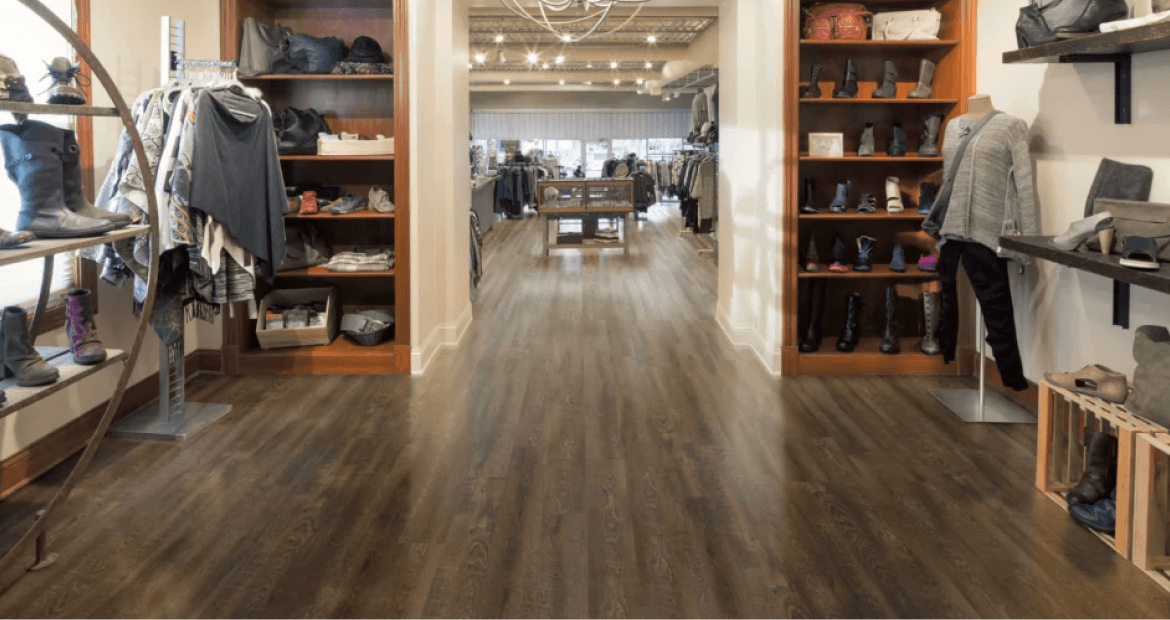
Use Caution With Vinyl Flooring
Vinyl products vary widely by manufacturer, construction, warranty, and installation requirements. Some products perform well over radiant heat, while others may have strict limits on floor temperature, room humidity, acclimation, adhesives, or installation method.
Before choosing a vinyl floor, always review the flooring manufacturer’s radiant heat guidelines and warranty requirements. Make sure the selected product is approved for use over hydronic radiant heat and that the full installation can meet those requirements.
Environmental and Outgassing Considerations
Many vinyl flooring products are made from petroleum-based plastics and may contain materials that are a concern for environmentally conscious customers. WBI designs and manufactures radiant panel products with environmental responsibility in mind, but we are not chemists or toxicologists and cannot evaluate the outgassing characteristics of individual vinyl flooring products.
For customers concerned about indoor air quality, we recommend discussing product emissions, certifications, and radiant heat compatibility directly with the flooring manufacturer.
Floor Temperature Control Is Important
Thin flooring products like vinyl can be affected by excessive floor surface temperatures. Higher temperatures may increase the risk of movement, deformation, adhesive issues, or warranty concerns.
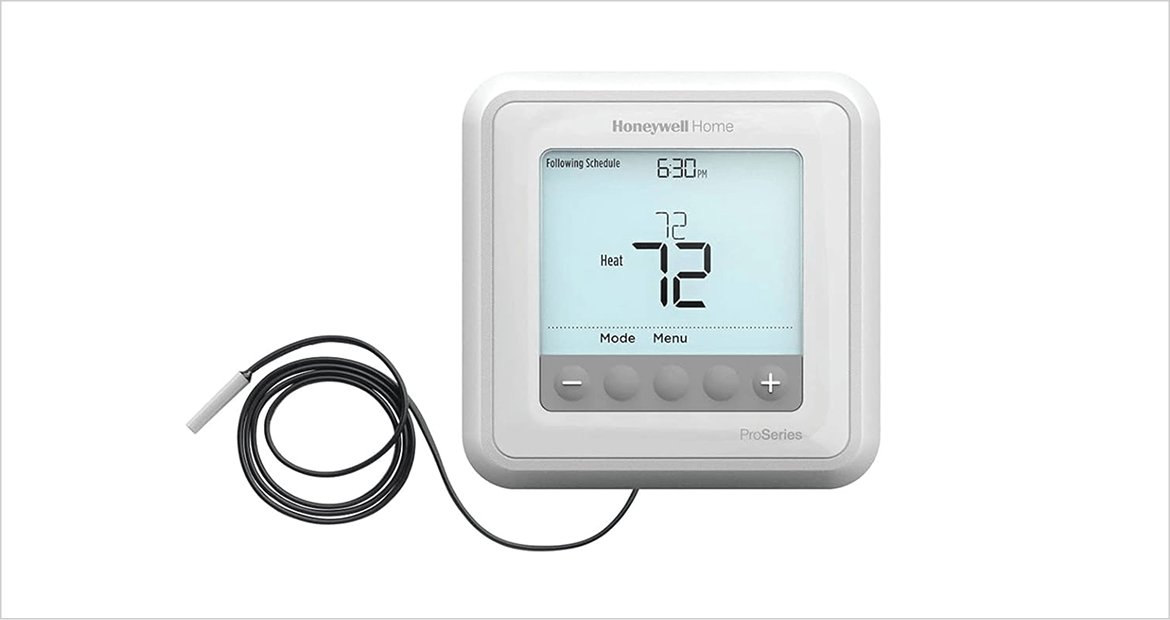
For this reason, WBI recommends using a thermostat with an adjustable floor sensor or high-limit control. This helps prevent unintended high water temperatures from creating excessive floor surface temperatures.
Best Vinyl Flooring Options for Radiant Heat
For radiant heat applications, floating edge-lock vinyl plank with a mineral core is often a better option than traditional glue-down vinyl. Mineral core products are generally more dimensionally stable and can expand and contract under the baseboard or molding when installed with the proper gap.
However, these products are still relatively new, so long-term performance over radiant floor heating should be confirmed with the flooring manufacturer.
Engineered Vinyl Plank with Mineral Core
A floating or edge-lock plank with a mineral-based core. These products are often more stable than traditional vinyl and may be a good choice for radiant heat when approved by the manufacturer.

Vinyl Tile
Often glue-down or peel-and-stick. Best limited to smaller areas with stable temperatures. When used over Ecowarm, a 1/4″ plywood underlayment is typically required.
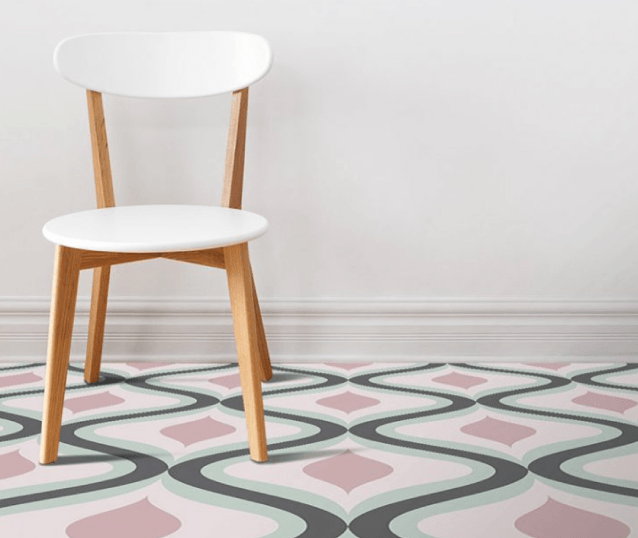
Luxury Vinyl Sheet
A floating or edge-lock plank with a mineral-based core. These products are often more stable than traditional vinyl and may be a good choice for radiant heat when approved by the manufacturer.

Luxury Vinyl Plank (LVP)
Designed to resemble wood or stone. Available in glue-down, peel-and-stick, and floating edge-lock styles. Confirm radiant heat approval before installation.

Luxury Vinyl Tile (LVT)
Designed to resemble tile or stone. Usually glue-down or peel-and-stick. Confirm adhesive compatibility and radiant heat approval before installation.
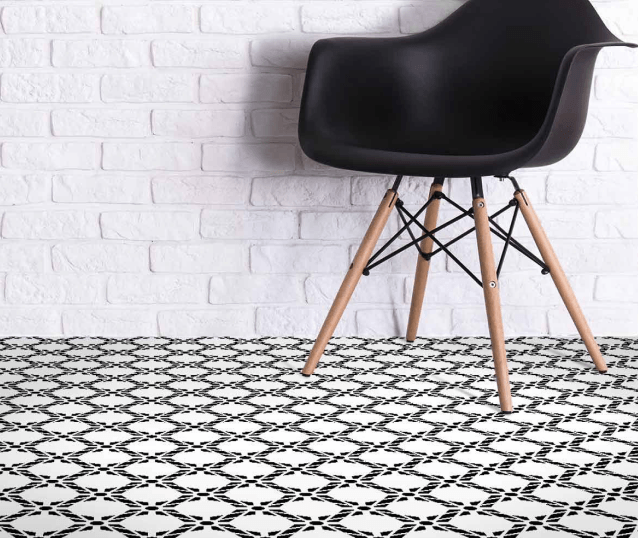
Marmoleum Flooring
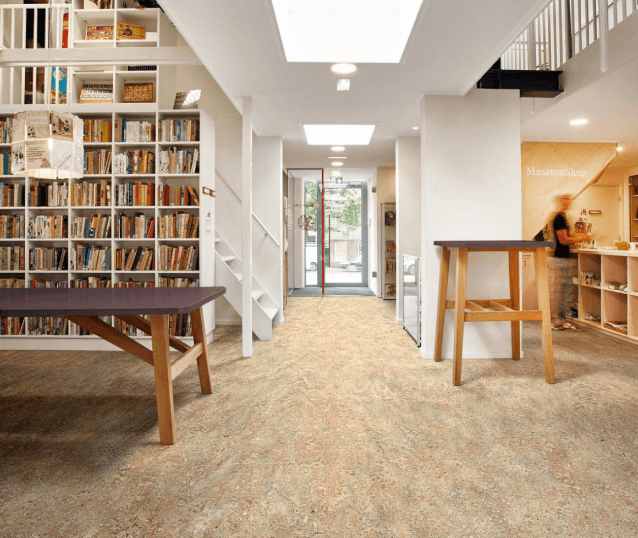
A more sustainable flooring option made from natural materials, but because it can expand significantly with temperature changes, it is generally not recommended over radiant heat except in small, carefully controlled areas.
Ready to Plan Your Radiant Floor Project?
WBI can help you choose the right radiant panel system for your project and review the flooring assembly before installation. Request a sample or project estimate to get started with confidence.
Get Your Free Project Estimate
Delivered Factory Direct to your Jobsite